FREQUENTLY ASKED QUESTIONS

1. WHY CAST ALUMINIUM?

Aluminum is our favorite material because it is very light to handle, it heats up quickly and evenly and is very resistant. It adapts to all types of kitchen utensils and is suitable both for conventional non-stick coating and for ceramic coating. It is an excellent conductor of heat providing a homogeneous temperature distribution throughout the cooking surface. Aluminum can be used in all heat sources, but since it is not ferromagnetic, it must be equipped with a stainless steel disc to be compatible with induction.

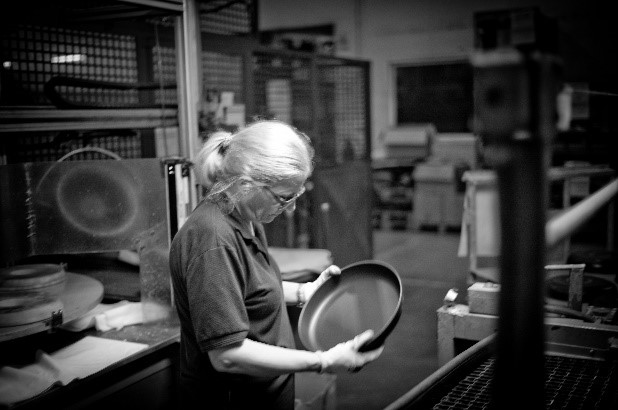
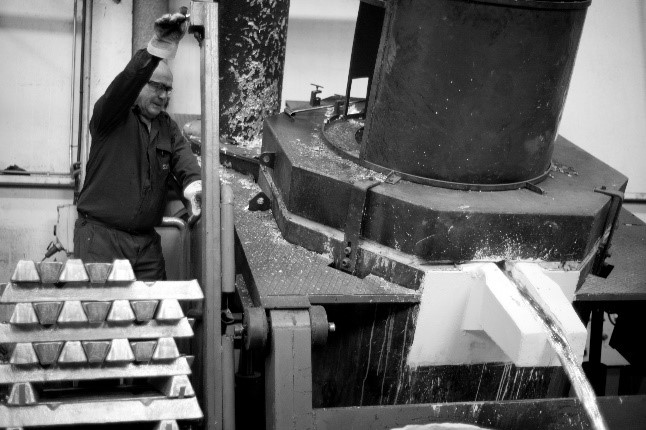
There are different systems to manufacture aluminum kitchen utensils, although in Valira we only use cast aluminum. Aluminum that is melted at 700ºC and then injected into a pressure mold (600 to 1000Tn). This technique can vary the thickness of the raw material as needed (thick bottom, thin walls) and ensures a perfect stability of the shape, due to the absence of mechanical stress. It is ideal for intensive use, non-deformable with the usual temperature changes when cooking. Ideal for both professional cooking and cooking at home.

Which one should you choose?

PTFE: maximum non-stick performance and easy cleaning for everyday use. Ideal for cooking delicate foods and recipes with little oil.

PFAS Free: greater resistance to high temperatures and excellent performance for searing, browning, and intensive cooking.

2. WHICH COATING?

At Valira, we use two types of non-stick coatings, designed for different cooking needs.

PTFE

PTFE is a high-performance non-stick coating that makes cooking and cleaning easier. It is especially suitable for delicate foods such as eggs, fish, or vegetables, as it allows cooking with less oil and prevents food from sticking to the surface.

The PTFE coatings currently used are PFOA-free.

To preserve its non-stick properties and extend its lifespan, it is recommended to avoid prolonged overheating of the empty cookware. This type of coating delivers optimal performance at cooking temperatures of up to 260°C.

PFAS Free

PFAS Free coatings are free from per- and polyfluoroalkyl substances (PFAS). They are characterized by their excellent resistance to intensive use and high temperatures, making them especially suitable for cooking techniques that require searing, browning, or grilling food.

This type of coating is ideal for products such as grills, woks, or roasting pans, where cooking is commonly carried out at high temperatures. It can withstand temperatures of up to 280°C while maintaining excellent cooking performance and making cleaning easier afterward.

3. THICK BASE?

There is no doubt that a cookware with a thick bottom is better, regardless of the material in which it is made. A perfect thickness of the base is 6mm. Ensures good heat distribution and good quality performance. In Valira we decided to have a 6mm base. .  

A bottom thickness greater than this does not ensure greater benefits: the distribution does not improve and the product becomes heavier and more difficult to manage. On the other hand, low-end pans usually have a thin base, around 3 to 4 mm thick, which eventually ends up being deformed or domed.

4. WHAT SHAPE?

The shape is undoubtedly what we know to choose more easily: a crepe maker for crepes, a wok for vegetables, a frying pan for eggs, a plate for vegetables or fish, a grill for meats, or a roasting pan for baking meat or fish.

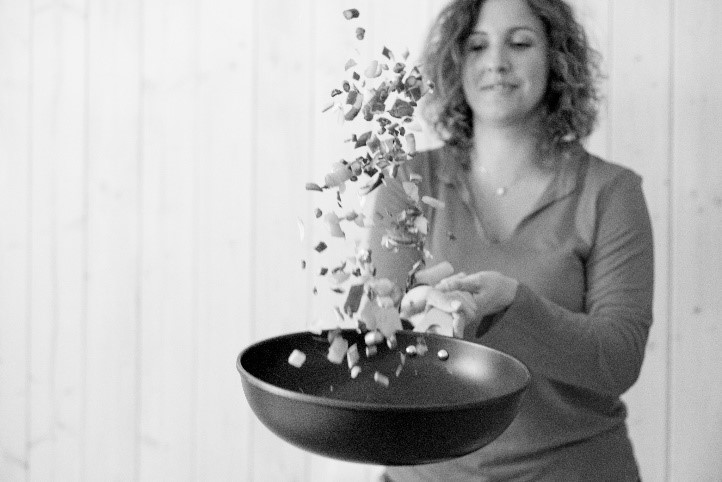
This may suggest ideas for new ways of cooking: spiced and sautéed vegetables in a wok to play with their flavors, a griddle for cooking vegetables and meat at the same time, or a deep frypan for an omelette. But the fundamental thing of the shape is to feel comfortable with the tool in your hand, to be able to carry out with confidence the recipe that we want to achieve.

Product added to compare.